Inspections · Empty · on a contract
RecurringVacant Property Visits.
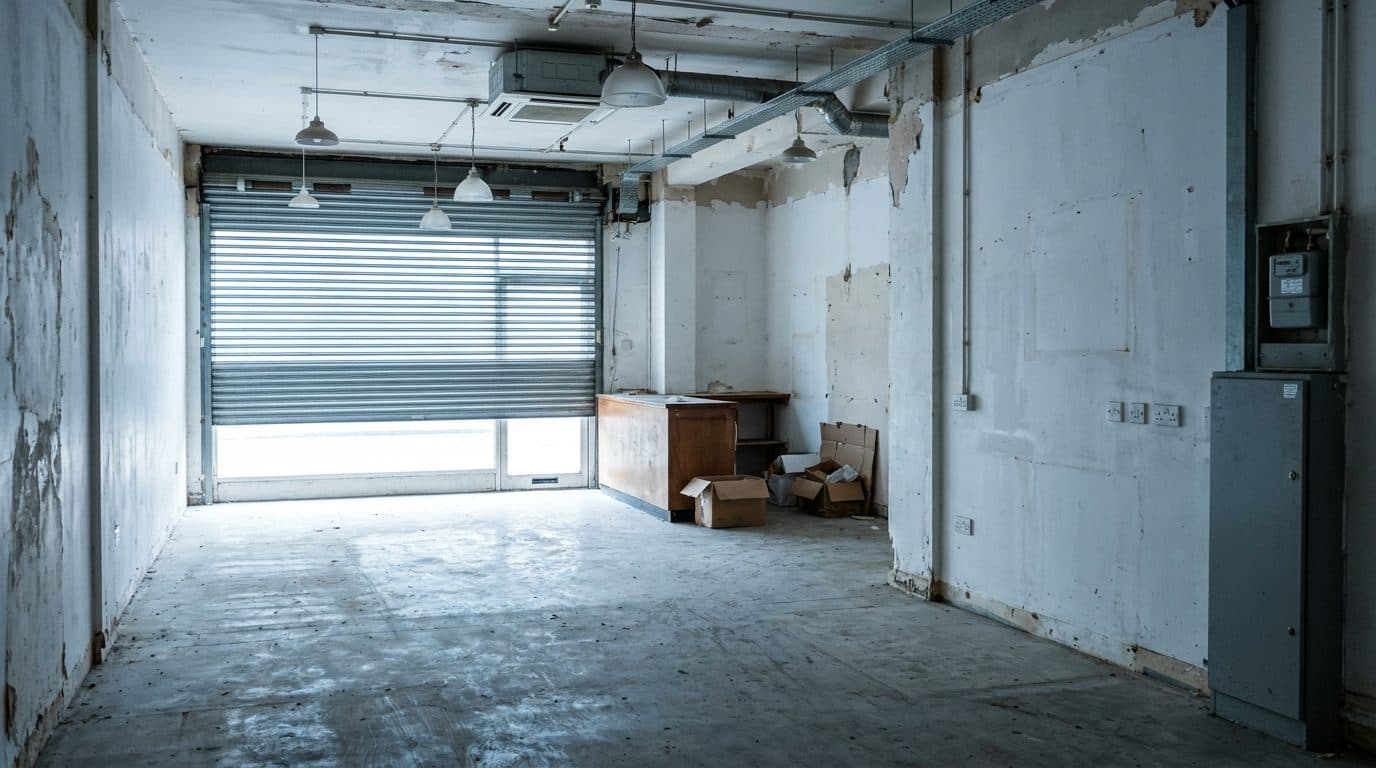
Short dated visits to an empty unit. Security, water, heating, signs of entry, damage. Photographed and logged.
What It Is For
The job it does.
Unoccupied property cover usually carries an inspection condition: the unit must be visited at a set interval and the visits logged. Miss the interval and the insurer can decline a claim. A contracted round produces the log, and catches the burst pipe or the forced door while it is still a small problem.
What we record
- External check: doors, windows, shutters, boarding, signs of forced entry or attempted entry
- Internal walk: water leaks, damp, heating status, pest or vermin signs, fly-tipping or squatting evidence
- Services: water isolated or heating maintained as the policy requires, and recorded
- Post cleared, alarms set, lights and timers as instructed
- Any change since the last visit, photographed
- Date and time of every visit
What you get
- A dated, photographed log entry for every visit, sent as it is done
- Immediate notification of anything needing action
- A running log the insurer will accept as evidence of compliance
- A visit interval matched to the policy wording
Inspections · The Interval
The four kinds of inspection.
Residential · during a tenancy
Mid-Term Inspection
A short visit every three to six months. Condition, obvious maintenance, damp and mould, and whether the tenancy is being kept to.
OpenLicensed HMOs · quarterly
HMO Inspection
Rooms recorded one by one, communal areas separated out, and the fire and safety provision checked on every visit.
OpenCommercial · during a lease
Commercial Interim Inspection
A periodic walk of the unit during the term, checking the tenant is keeping to the repairing covenants.
OpenEmpty · on a contract
This pageVacant Property Visits
Short dated visits to an empty unit. Security, water, heating, signs of entry, damage. Photographed and logged.
The round · kit in the door
The policy sets the interval
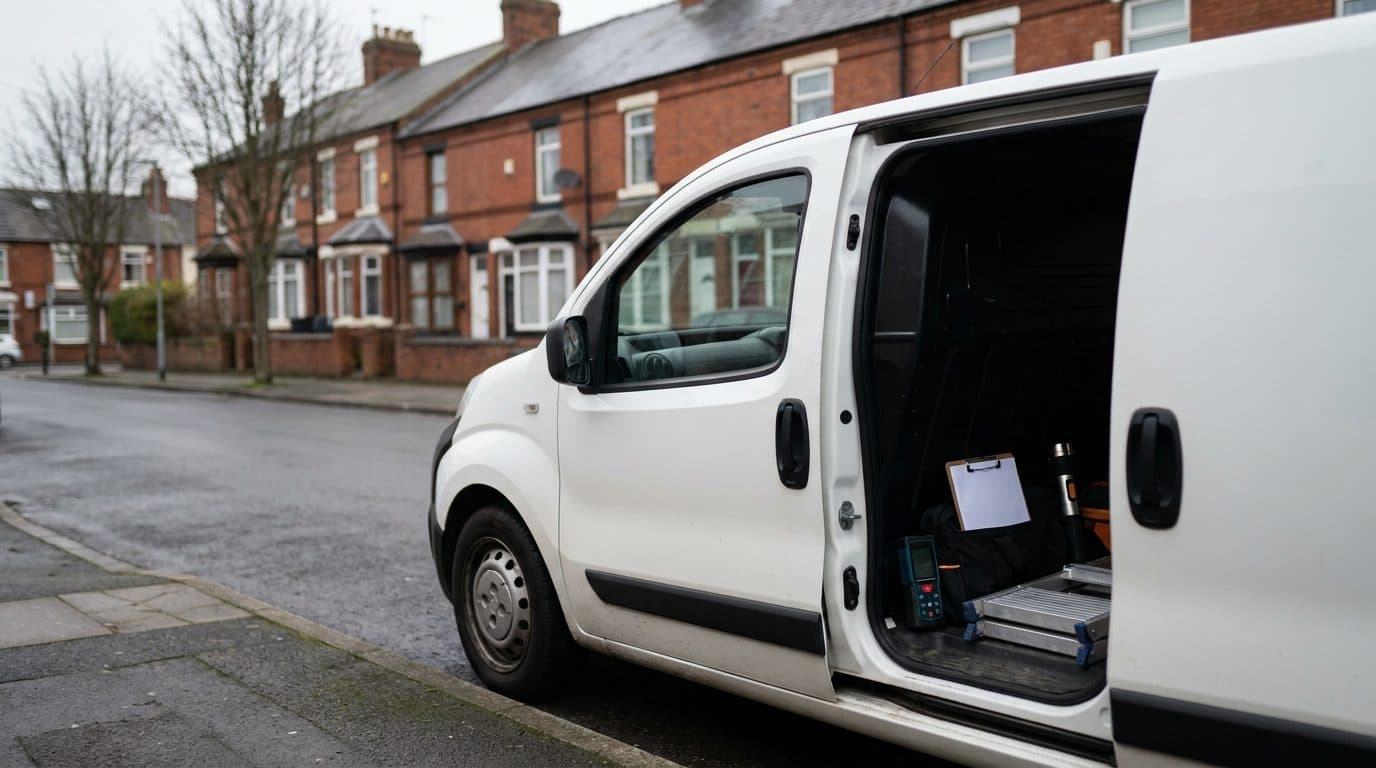
Unoccupied cover typically requires a visit every seven to thirty days; the policy says which. Send us the wording and the round is built to it, not to a default.
Where the volume is
Lincoln does not let that many units, but it always has empty ones. Vacant rounds and interim inspections are the contracted, repeatable side of the commercial arm.
Asked & answered.
As often as the insurance policy says, which is commonly every seven, fourteen or thirty days. If there is no policy condition, monthly is a sensible minimum for an empty commercial unit.
We record and report them the same day. Where works are needed, our parent company LWR Group can quote for them, but there is no obligation; the log stands on its own.
Yes. Probate properties, homes between tenancies and second homes carry the same insurance conditions and the same risks. The round is the same.
Yes, on a signed key log, or we collect from and return to the agent each visit, whichever you prefer.
Read Before You Book
Worth ten minutes.
A schedule of condition on a commercial lease: what it does, and what it doesn't
How a schedule of condition caps a tenant's repairing liability, why the solicitor asks for it, what an interim and an exit record add, and what it is not.
ReadMid-term inspections: how often, what to record, and the notice rules
The interval, the notice, the checklist, and why the mid-term is the visit that stops month-four problems becoming month-eighteen bills.
ReadWhat a check-in inventory must include, and why most fall short
The seven things a check-in inventory needs before it will carry a deposit claim, and the three ways a home-made one usually fails.
Read