Residential · Before the let
FlagshipInventory & Schedule of Condition.
Room by room, ceiling to floor. Every fixture, fitting and item, graded, described and photographed with an exhibit number.
What It Is For
The job it does.
This is the document everything later is measured against. The check-out compares to it, the deposit scheme reads it, and a tenant who signed it on day one is a tenant who agreed to it. Get it thin or vague and the check-out is worthless.
What we record
- Every room, including hallway, landing, cupboards, meter cupboard, garden, bins, garage and outbuildings
- Every element top to bottom: ceiling, walls, woodwork, floor, windows, doors, fixtures, then contents if furnished
- A grade per item (Good, Fair, Poor, New) and a plain description beside it
- A dated, numbered photograph for every row, referenced from the row
- Cleanliness standard at check-in, with photographs of oven, bathroom and carpets
- Keys, meter readings and alarm tests on the front page
What you get
- PDF the next working day, photographs embedded and exhibit-numbered
- Copies for landlord, agent and tenant
- The record kept on file for the check-out, at no charge
- Same clerk, same wording and numbering for every later visit
Residential · The Tenancy Calendar
Where it sits in the tenancy.
Before the let
This pageInventory & Schedule of Condition
Room by room, ceiling to floor. Every fixture, fitting and item, graded, described and photographed with an exhibit number.
Day one
Check-In
Meter readings photographed, keys catalogued and counted, alarms tested, and the tenant walked through the inventory and signed onto it.
OpenEnd of tenancy
Check-Out & Comparison
The same rows as the check-in, walked again. Changes appended, never rewritten. Fair wear and tear separated from damage.
Open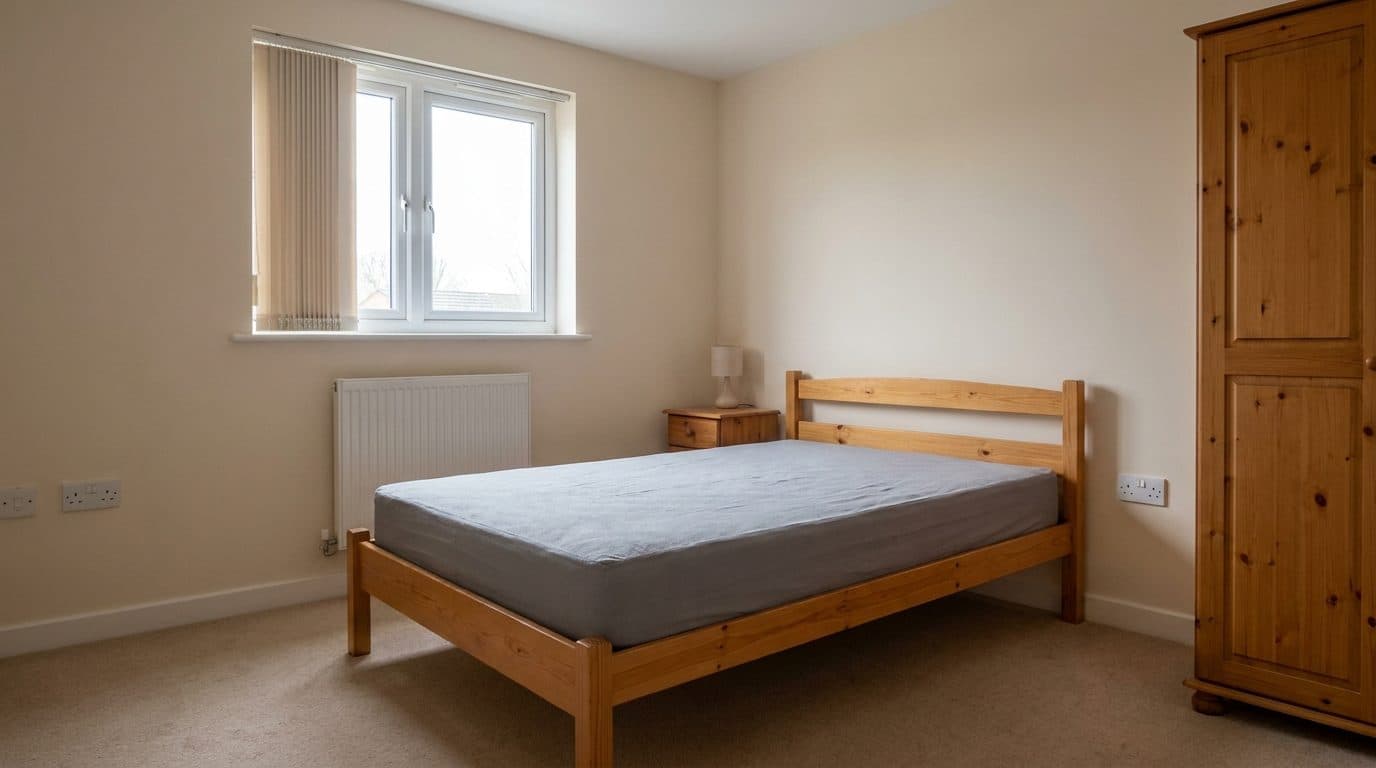
EXH 012 · Bedroom 1 · furnished let
Furnished changes the job
An unfurnished flat is walls, floors, windows and fittings. A furnished one lists every piece of furniture and its state, which roughly doubles the rows in a living room. Say which it is when you book.
Written independently, signed by the tenant
A landlord's own list is evidence, but weak evidence. An independent record that the tenant walked through and signed carries far more weight with an adjudicator. That is what this visit produces.
Asked & answered.
For a residential let they are one document: the inventory lists what is there, the schedule of condition records what state it is in. We produce both together, item by item, so there is never an item with no condition or a condition with no item.
Not for the walk itself, but the tenant signing the document is what gives it weight. We usually walk the empty property, then do the check-in with the tenant on day one, where they are taken through the record and sign onto it.
A one to two-bedroom flat takes around an hour to walk, longer if furnished. Larger houses and HMOs take longer, and we give a time estimate when you book. The written report follows the next working day.
We write to our own format so that every later document on the property compares row for row. If your agency has a required layout, send it over and we will tell you honestly whether we can match it without losing that.
Read Before You Book
Worth ten minutes.
What a check-in inventory must include, and why most fall short
The seven things a check-in inventory needs before it will carry a deposit claim, and the three ways a home-made one usually fails.
ReadFair wear and tear vs damage: how deposit adjudicators decide
What counts as wear and tear, what counts as damage, why betterment is never allowed, and how an inventory makes the difference provable.
ReadMid-term inspections: how often, what to record, and the notice rules
The interval, the notice, the checklist, and why the mid-term is the visit that stops month-four problems becoming month-eighteen bills.
Read