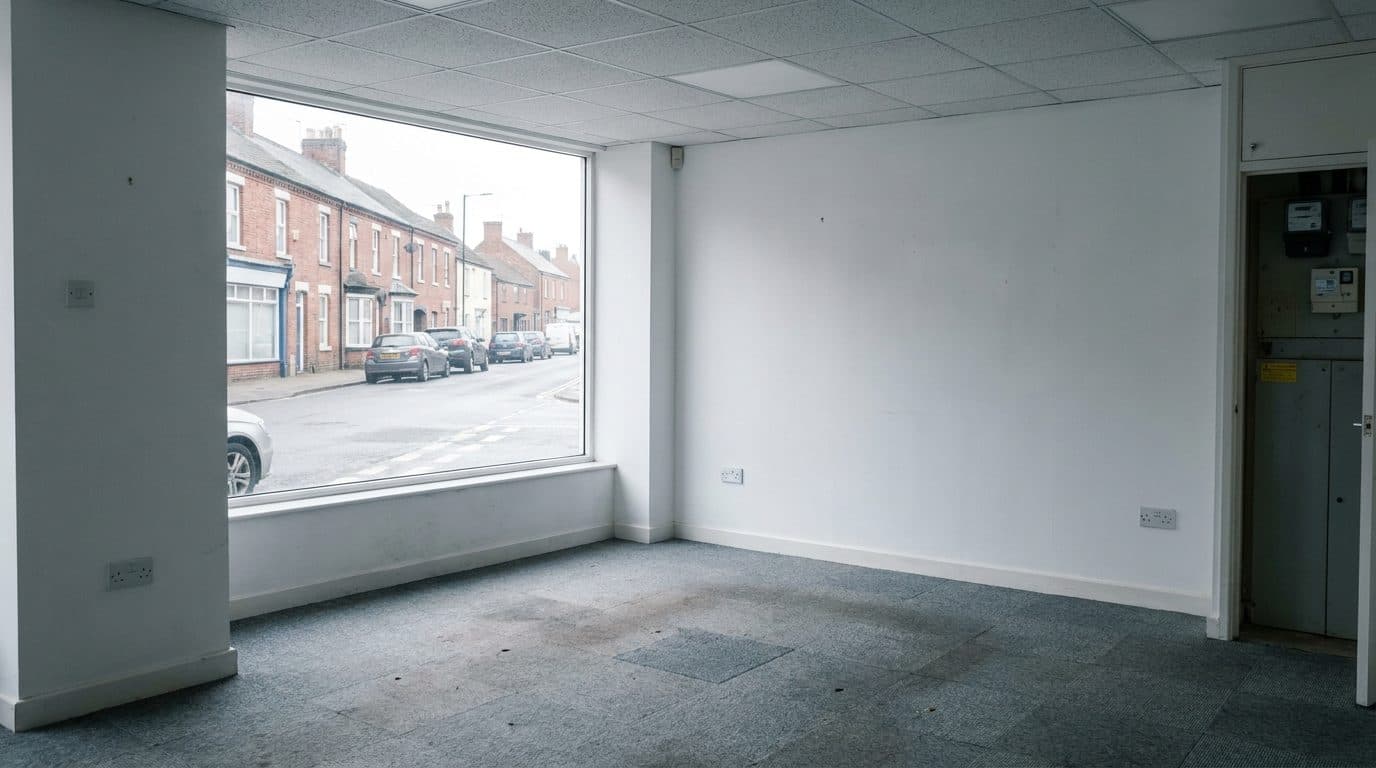
Commercial · Lease end
Exit Record.
The unit walked again at lease end, against the original schedule. Changes appended, never rewritten.
What It Is For
The job it does.
It gives both sides a factual starting point for the end-of-lease discussion, and gives whoever deals with dilapidations something reliable to work from. It is the commercial check-out: the same elements, in the same order, with every change described and photographed beside the original entry.
What we record
- Every element of the original schedule, walked again
- Changes since the schedule, described and photographed from the same viewpoint
- Alterations and fit-out left in place; items removed; making-good carried out or not
- Cleanliness and clearance of the unit
- Keys, fobs and access devices returned; final meter readings
- Anything not accessible, stated
What you get
- Exit PDF: original entry and exit entry side by side, changed elements highlighted
- A summary of changes for the parties and their advisers
- Photographs numbered to the original exhibits
- The complete record from lease start to hand-back in one document
Not a dilapidations schedule. That names breaches, cites clauses and prices remedies as a legal claim — building surveyor and solicitor work. We supply the facts it is built on.
Commercial · The Lease
Where it sits in the lease.
Before the lease
Schedule of Condition
A dated photographic record of the unit as the tenant takes it on, annexed to the lease by their solicitor.
OpenLease end
This pageExit Record
The unit walked again at lease end, against the original schedule. Changes appended, never rewritten.
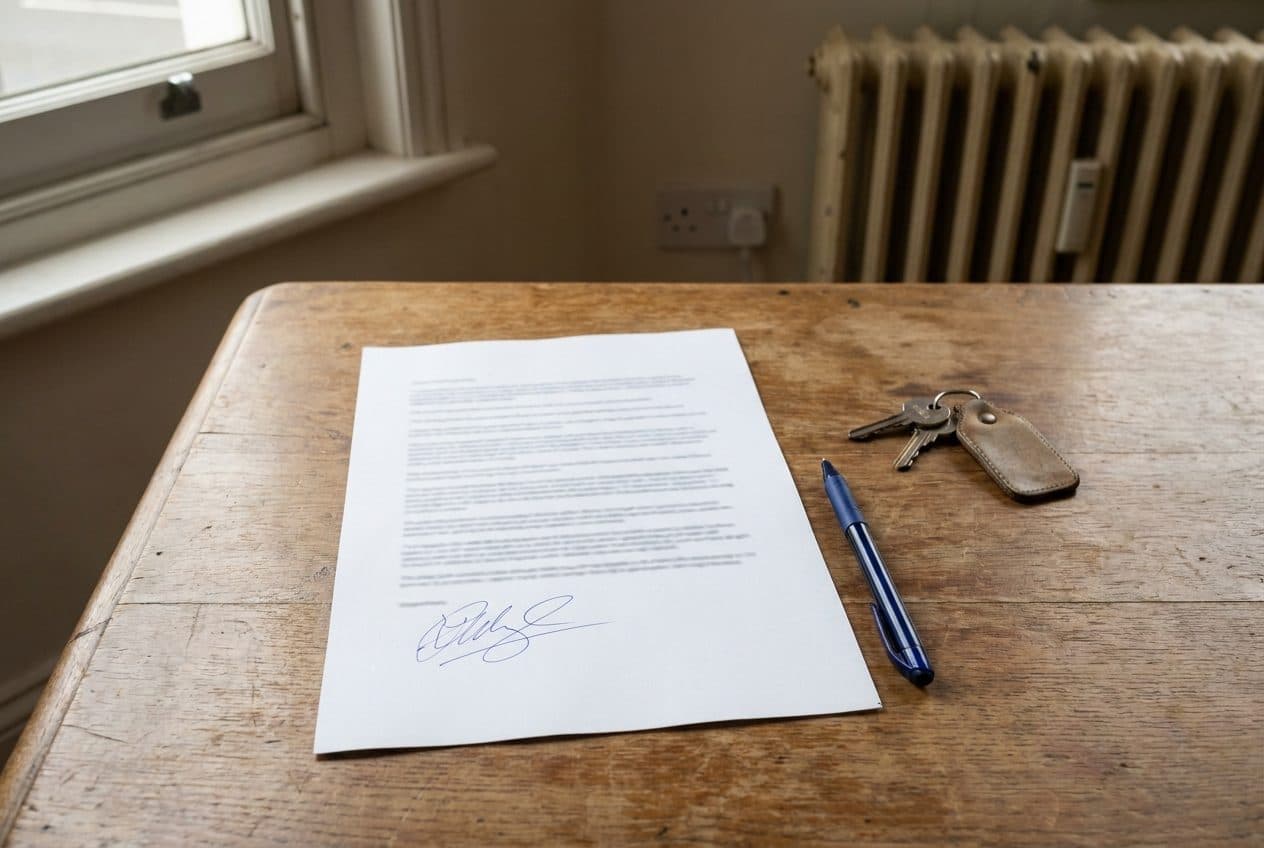
EXH 040 · Handover · signed
Either side can commission it
A landlord uses it to evidence a claim. A tenant uses it to evidence that the unit went back in the condition they inherited it. The record is the same either way; only who instructs it changes.
Timing
Walk it as close to the lease end date as possible, ideally on the day of hand-back with keys returned, so there is no gap for anything to change.
Asked & answered.
No. The exit record states what changed. A schedule of dilapidations turns that into a claim: which lease clauses are breached, what remedy is required and what it costs. That second document is drafted by a building surveyor and a solicitor, usually working from our record.
Yes, for a comparison. If there is none, we can produce a standalone condition record at lease end, and we say so up front.
Yes, and it helps. Comments from either side are recorded beside the element they relate to. The document is written for someone who was not there, so a disagreement on the day is simply recorded.
Dilapidations discussions run to a protocol with timescales, so the exit record is written up quickly, usually within a few working days of the walk. Tell us the lease end date when you book.
Read Before You Book
Worth ten minutes.
A schedule of condition on a commercial lease: what it does, and what it doesn't
How a schedule of condition caps a tenant's repairing liability, why the solicitor asks for it, what an interim and an exit record add, and what it is not.
ReadFair wear and tear vs damage: how deposit adjudicators decide
What counts as wear and tear, what counts as damage, why betterment is never allowed, and how an inventory makes the difference provable.
ReadMid-term inspections: how often, what to record, and the notice rules
The interval, the notice, the checklist, and why the mid-term is the visit that stops month-four problems becoming month-eighteen bills.
Read