Commercial · Before the lease
FlagshipSchedule of Condition.
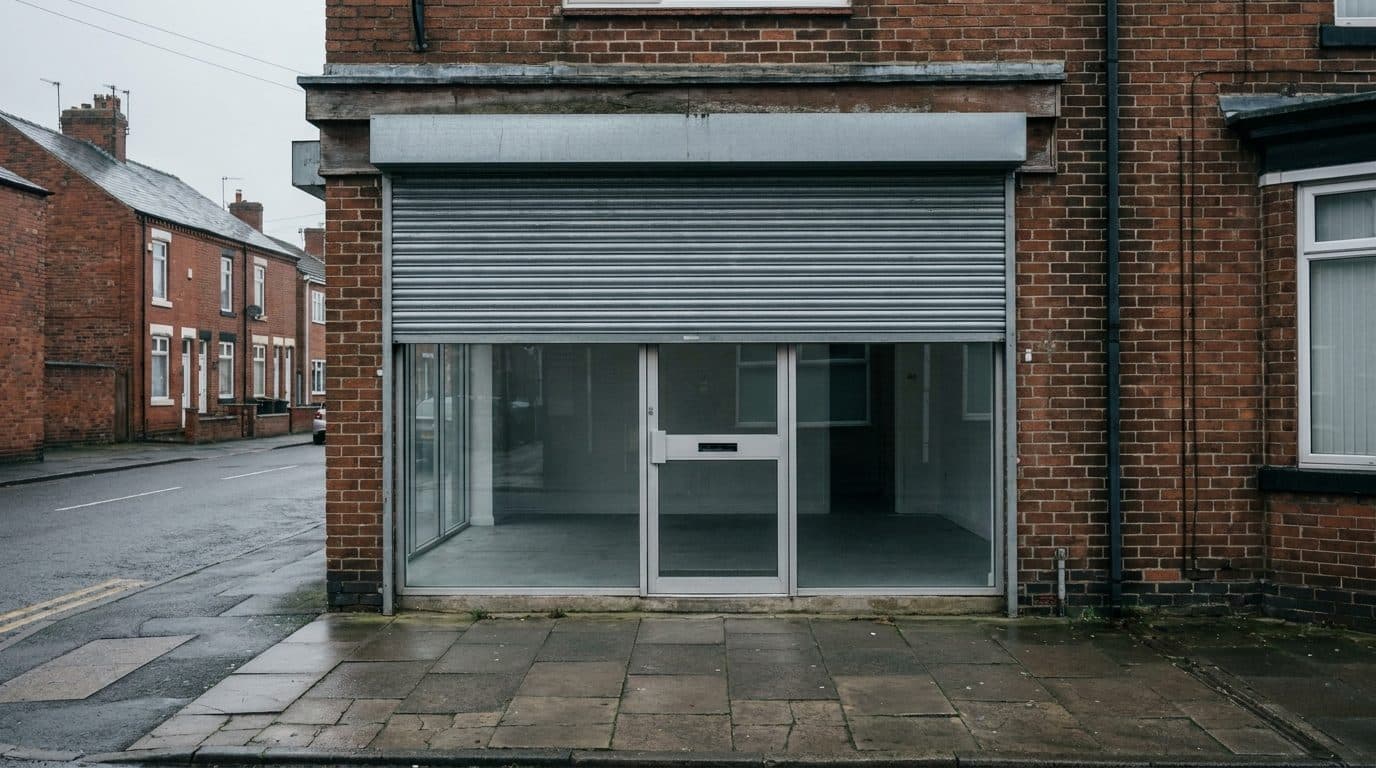
A dated photographic record of the unit as the tenant takes it on, annexed to the lease by their solicitor.
What It Is For
The job it does.
It caps the tenant's dilapidations liability at the condition they actually inherited. Without it, a full repairing lease can require the tenant to hand the unit back in better condition than they received it. That is why the tenant's solicitor asks for it, and why it has to exist before the lease is signed.
What we record
- Every area of the demise: sales floor, back of house, WCs, stores, plant, yard, and external elements within the repairing obligation
- Element by element: floor, walls, ceiling, doors, glazing, shopfront, visible services, inherited fixtures
- A plain description of condition per element, with a dated and numbered photograph
- Meter readings, keys, and any shutter or alarm tests on the front page
- What was not accessible or not inspected, stated, so an omission is never read as a clean bill
- The date, so the document can be tied to completion
What you get
- PDF schedule ready to annex to the lease, usually several hundred photographs
- A copy for each side's solicitor
- The record kept for the interim inspection and the exit record
- Turnaround agreed against your completion date
We record the condition. We do not draft or advise on the lease, and this is not a schedule of dilapidations.
Commercial · The Lease
Where it sits in the lease.
Before the lease
This pageSchedule of Condition
A dated photographic record of the unit as the tenant takes it on, annexed to the lease by their solicitor.
Lease end
Exit Record
The unit walked again at lease end, against the original schedule. Changes appended, never rewritten.
Open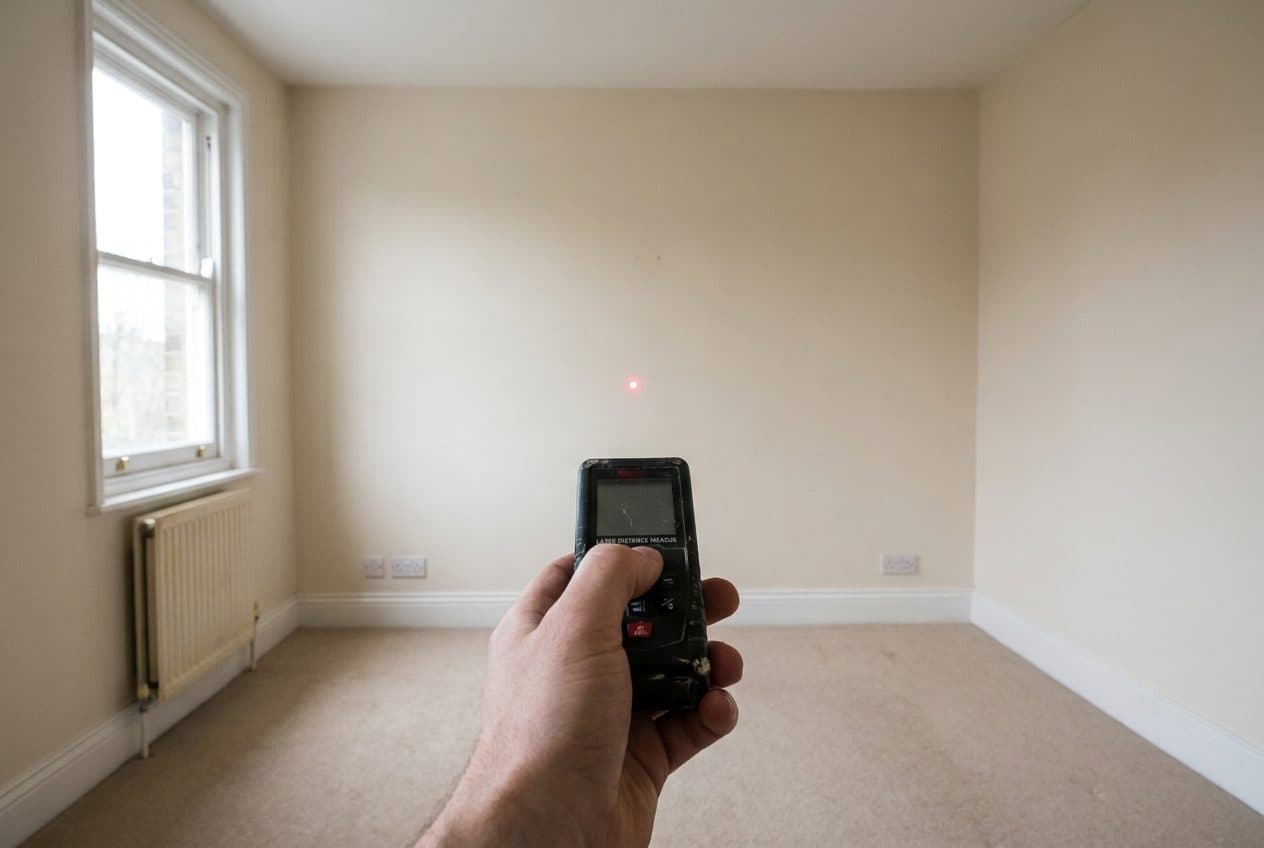
EXH 005 · Sales floor · measured
Both sides want it
For the tenant it caps liability. For the landlord it stops the argument at lease end that the unit was already in poor condition. A schedule agreed by both solicitors is worth more to both than one either side commissions alone.
Priced on a day rate
A shop unit is a different scale of document to a flat. It is priced on time on site plus time writing up, not a room count, and quoted in writing against your completion date.
Asked & answered.
Before completion, so it can be referred to in the lease and annexed to it. A schedule produced after signing still has evidential value, but the clause that limits liability only works if the lease points to the document.
Usually the incoming tenant, on their solicitor's advice. Landlords commission them too, particularly on older buildings where an argument about inherited condition is likely at lease end.
No. A dilapidations schedule names breaches, cites clauses and prices remedies as a claim: building surveyor and solicitor work. A schedule of condition is the factual record that claim is built on and defended against.
A small retail unit is typically a half day on site and a day writing up. Larger or multi-floor premises take longer. We quote a turnaround against your completion date rather than a standard number.
Read Before You Book
Worth ten minutes.
A schedule of condition on a commercial lease: what it does, and what it doesn't
How a schedule of condition caps a tenant's repairing liability, why the solicitor asks for it, what an interim and an exit record add, and what it is not.
ReadFair wear and tear vs damage: how deposit adjudicators decide
What counts as wear and tear, what counts as damage, why betterment is never allowed, and how an inventory makes the difference provable.
ReadMid-term inspections: how often, what to record, and the notice rules
The interval, the notice, the checklist, and why the mid-term is the visit that stops month-four problems becoming month-eighteen bills.
Read