Residential · End of tenancy
Check-Out & Comparison.
The same rows as the check-in, walked again. Changes appended, never rewritten. Fair wear and tear separated from damage.
What It Is For
The job it does.
This is the one that reaches an adjudicator, so it is the one written to be read by someone who was not there. Every row shows the check-in entry and the check-out entry side by side, and only the rows that changed are marked. It does not price anything and it does not say who pays.
What we record
- Every row of the original inventory, walked again in the same order
- What changed, described plainly and photographed from the same angle
- Whether each change is consistent with fair wear and tear over the tenancy length
- Cleanliness against the check-in standard, room by room
- Keys returned, counted against the check-in log; final meter readings photographed
- Items left behind, and items missing
What you get
- Comparison PDF the next working day: check-in and check-out side by side, changed rows highlighted
- A summary page listing only the changes, for the deposit negotiation
- Photographs numbered to match the original exhibits
- The complete record from day one to hand-back, in one document
Residential · The Tenancy Calendar
Where it sits in the tenancy.
Before the let
Inventory & Schedule of Condition
Room by room, ceiling to floor. Every fixture, fitting and item, graded, described and photographed with an exhibit number.
OpenDay one
Check-In
Meter readings photographed, keys catalogued and counted, alarms tested, and the tenant walked through the inventory and signed onto it.
OpenEnd of tenancy
This pageCheck-Out & Comparison
The same rows as the check-in, walked again. Changes appended, never rewritten. Fair wear and tear separated from damage.
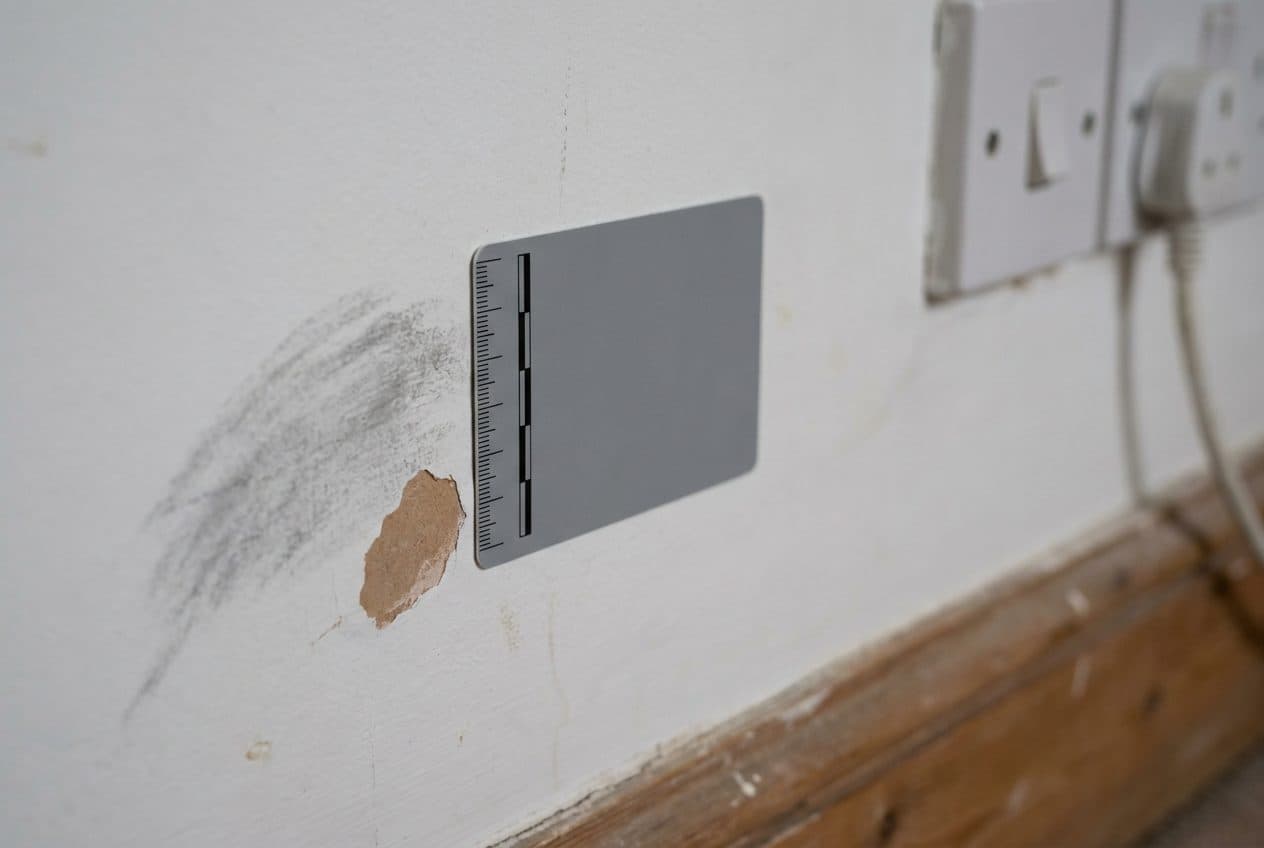
EXH 031 · Hall · scale card
Appended, never rewritten
The check-in wording is never edited. The check-out sits beside it. A scheme adjudicator can see exactly what was recorded on day one and exactly what was recorded on the last day, in the same words.
What it does not say
It does not put a price on a change and it does not apportion blame. 'Beyond fair wear and tear' is as far as it goes. What that is worth is for the landlord, agent and tenant to agree, or the scheme to decide.
Asked & answered.
That is the point of booking the ladder with us: same clerk, same wording, same numbering. Where it genuinely is not possible, the check-out is written against the original record and its grading, never re-graded from scratch.
Yes, if the branch holds a signed check-in inventory with photographs. We walk against that document. If there is no usable inventory, we say so before the visit: a check-out with nothing to compare to is a condition report, not a comparison.
It helps but is not required. If they attend, their comments are recorded beside the row. If they do not, they receive the report and can respond to the branch in writing.
Cleanliness is compared room by room to the standard recorded at check-in, with photographs. It is the most common deduction and the most commonly refused, so the record is specific: which room, what, and the before and after images.
Read Before You Book
Worth ten minutes.
Fair wear and tear vs damage: how deposit adjudicators decide
What counts as wear and tear, what counts as damage, why betterment is never allowed, and how an inventory makes the difference provable.
ReadWhat a check-in inventory must include, and why most fall short
The seven things a check-in inventory needs before it will carry a deposit claim, and the three ways a home-made one usually fails.
ReadMid-term inspections: how often, what to record, and the notice rules
The interval, the notice, the checklist, and why the mid-term is the visit that stops month-four problems becoming month-eighteen bills.
Read