Inspections · Residential · during a tenancy
RecurringMid-Term Inspection.
A short visit every three to six months. Condition, obvious maintenance, damp and mould, and whether the tenancy is being kept to.
What It Is For
The job it does.
The commercial engine of the whole arm, and the visit that saves the most money. A problem recorded at month four costs a fraction of the same problem found at month eighteen. For agents, this is the one that runs on a schedule rather than a tenancy date, so it is booked as a round.
What we record
- Condition, room by room, against the check-in inventory
- Obvious maintenance and disrepair: drips, seals, sticking windows, loose fittings
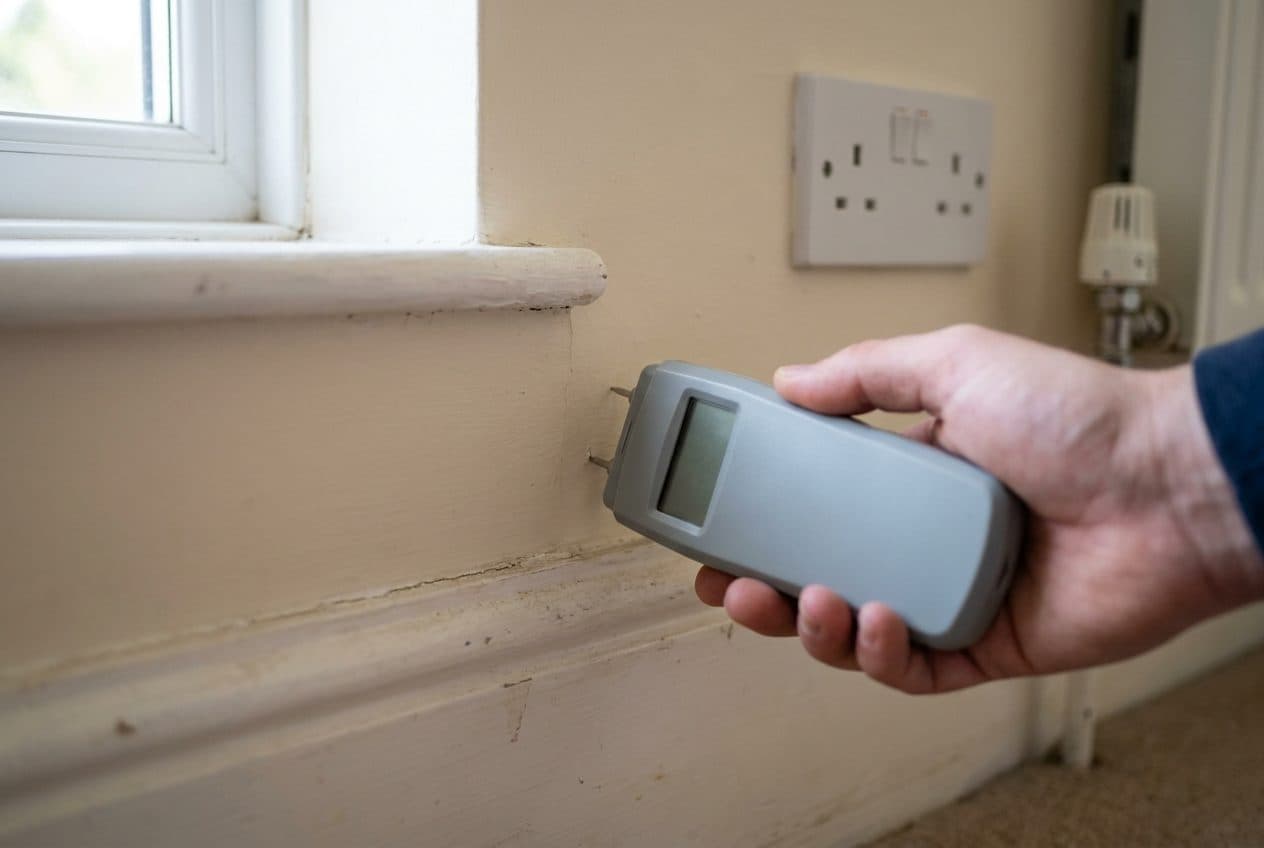
- Damp, mould and condensation: where, how much, and whether extractor fans are in use
- Smoke and carbon monoxide alarms: present and tested
- Signs of additional occupants, pets or subletting where the tenancy does not allow them
- Garden, exterior, bins and outbuildings; meter readings if the branch asks
What you get
- Short PDF with photographs, sent the next working day, with flagged items emailed the same day
- Flagged items first, so a busy branch reads the top of page one
- A next-visit date for every property on the round
- The file kept current between check-in and check-out
Inspections · The Interval
The four kinds of inspection.
Residential · during a tenancy
This pageMid-Term Inspection
A short visit every three to six months. Condition, obvious maintenance, damp and mould, and whether the tenancy is being kept to.
Licensed HMOs · quarterly
HMO Inspection
Rooms recorded one by one, communal areas separated out, and the fire and safety provision checked on every visit.
OpenCommercial · during a lease
Commercial Interim Inspection
A periodic walk of the unit during the term, checking the tenant is keeping to the repairing covenants.
OpenEmpty · on a contract
Vacant Property Visits
Short dated visits to an empty unit. Security, water, heating, signs of entry, damage. Photographed and logged.
Open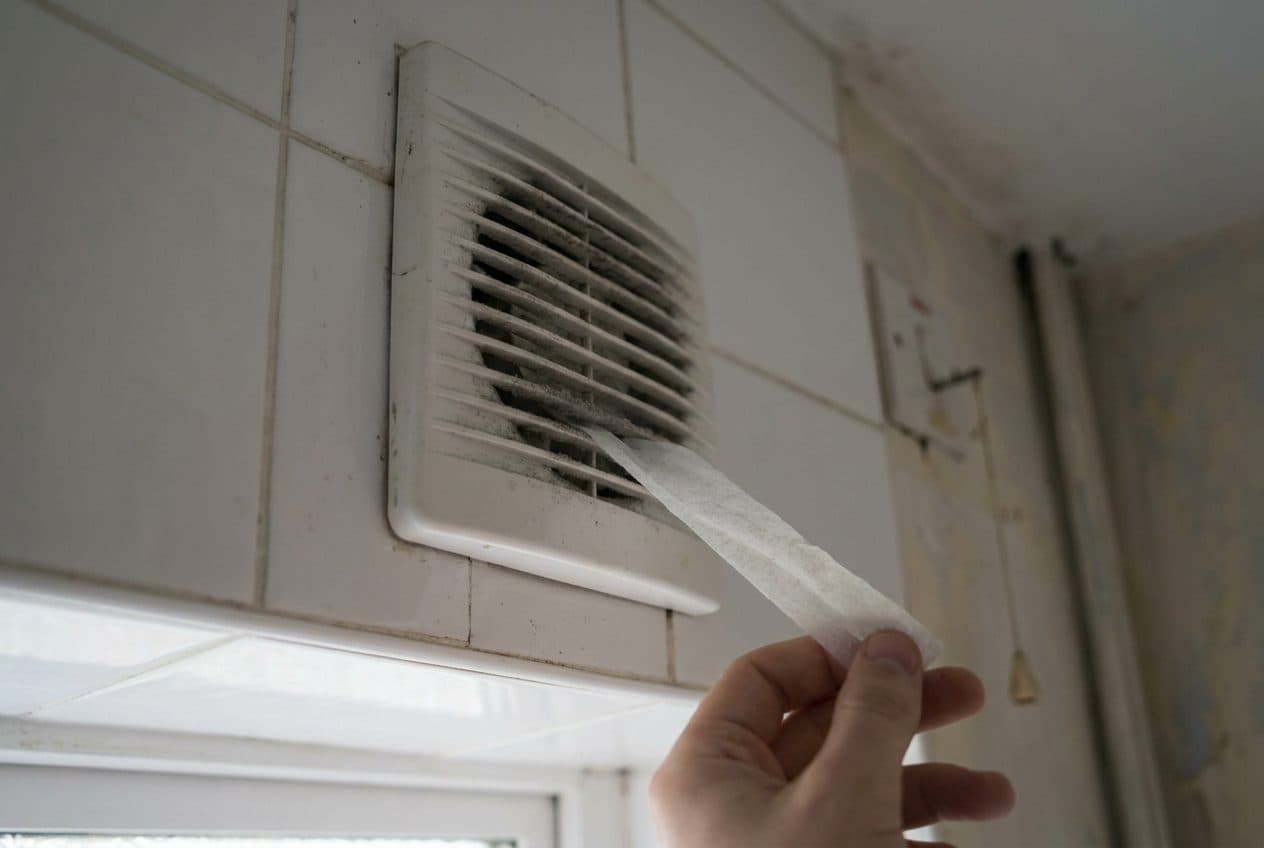
EXH 018 · Bathroom · extraction test
Recorded, not diagnosed
A damp patch is recorded: where it is, how big, what the reading says, photographed. Working out the cause is a separate job. In this family that belongs to The Damp & Mould Man, and we say so on the report rather than guessing.
Notice is the tenant's right
At least 24 hours' written notice, at a reasonable time, and the tenant can rearrange. We handle the notice and the appointment if the branch wants, and keep the paper trail.
Asked & answered.
Every three to six months is usual. Three for a new tenancy or an HMO, six for a settled one. Some insurers and lenders specify an interval as a condition; check both.
Send the managed list with each property's last visit date and the interval you want. We build the round, batch it by area so tenants get sensible windows, and send each report as it is done.
Yes, and Lincoln being a university city, a lot of the round is HMO rooms and shared areas. Rooms are recorded individually with the communal areas separated out, so a licence renewal has something to stand on.
It is recorded and photographed with a moisture reading, flagged at the top of the report, and the branch is told the same day. Diagnosis of the cause is a separate visit by The Damp & Mould Man, our sister brand.
Read Before You Book
Worth ten minutes.
Mid-term inspections: how often, what to record, and the notice rules
The interval, the notice, the checklist, and why the mid-term is the visit that stops month-four problems becoming month-eighteen bills.
ReadFair wear and tear vs damage: how deposit adjudicators decide
What counts as wear and tear, what counts as damage, why betterment is never allowed, and how an inventory makes the difference provable.
ReadWhat a check-in inventory must include, and why most fall short
The seven things a check-in inventory needs before it will carry a deposit claim, and the three ways a home-made one usually fails.
Read